


WHAT IS ROBOTICS? The word robot is derived from the Czech word robota, which means “forced labor.” The word first appeared in the 1920 play R.U.R., in reference to the play’s characters who were mass-produced workers incapable of creative thinking. performing tasks alone or with human guidance. These robots vary from factory arms to everyday intelligent devices. The core of robotics strives to craft machines mimicking, enhancing, or outperforming humans by combining electronics, mechanics, sensors, and software into systems that interact with surroundings and fulfil goals. Automation, efficiency, and issue resolution propel robotics across industries and applications.
Key Robotics Concepts: Robot Components: Robots comprise mechanical parts like arms and wheels for physical abilities. Sensors such as cameras and lidar gather environmental data. Actuators and motors enable movement and actions. Autonomy and Control: Robots’ autonomy varies; some follow pre-set instructions, while others use real-time data and algorithms for decisions. Control systems manage movements and actions. Sensors and Perception: Robots employ sensors like computer vision and lidar to comprehend objects, people, and obstacles in their surroundings. Programming and Algorithms: Coding guides robots, from basic scripts to complex algorithms for tasks like AI, machine learning, and path planning. Applications: Robotics applies in manufacturing, healthcare (surgery and exoskeletons), exploration (hazardous environments), service (delivery, cleaning), agriculture (farming tasks), and research (data collection). Challenges and Ethics: As robots advance, challenges encompass safety, ethics, and job displacement. Ensuring safe human-robot interaction is crucial. Emerging Trends: AI, machine learning, and materials science drive robotics growth. Collaborative robots, swarm robotics, and bio-inspired designs are transformative trends. Robotics is rapidly growing as researchers, engineers, and enthusiasts push limits. Robots are increasingly vital, revolutionizing industries and addressing intricate issues. From self-driving cars to medical aids and household helpers, robotics enthrals and Molds the future. What Is a Bot? What Is Software Robotics? Software robotics, often referred to as bots, are specialized computer programs that possess the capability to perform tasks independently and autonomously. These programs are designed to execute specific actions without requiring constant human intervention. One prominent application of software robots is in the form of chatbots. A chatbot is a type of computer program designed to replicate human-like conversation. It interacts with users through text-based or voice-based interfaces, both online and over the phone. Chatbots have gained significant prominence, particularly in customer service scenarios, where they act as virtual assistants to provide information, address queries, and offer assistance. TYPES OF BOTS: Bots, automated computer programs designed to execute tasks with varying levels of autonomy, come in diverse forms to serve different purposes. Here are some notable types of bots: Chatbots: Chatbots engage in interactive conversations with users, often mimicking human interactions. They find extensive use in customer service scenarios, addressing queries and providing assistance through text or voice interfaces. Spam Bots: Spam bots scour the internet for email addresses, which they subsequently use to distribute unsolicited and often irrelevant messages, commonly known as spam mail. Download Bots: These bots are programmed to automatically download software, applications, or files from the internet. They streamline the process of acquiring content without manual intervention. Search Engine Crawler Bots: Also referred to as web crawlers or spiders, these bots systematically scan websites to index their content. This indexing process ensures that web pages are searchable and discoverable on search engines like Google. Monitoring Bots: Monitoring bots play a vital role in tracking website performance. They continuously assess website speed, uptime, and functionality, generating reports that help site administrators ensure optimal user experiences. 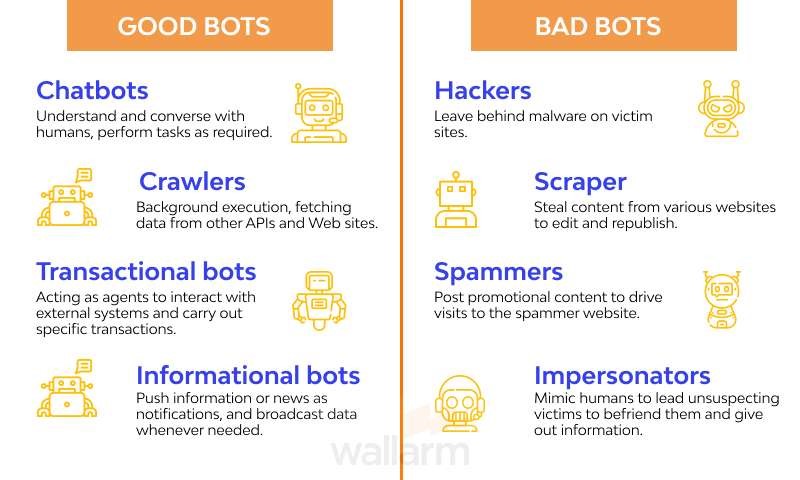 Each type of bot serves a specific function, contributing to various aspects of our online interactions and tasks. From aiding customer interactions to influencing search engine results, these bots demonstrate the intricate interplay between automation and technology in our digital landscape. HUMANOID ROBOT: “Sofia” is a humanoid robot developed by Hong Kong-based company Hanson Robotics. Sofia gained attention worldwide for its human-like appearance and ability to engage in conversation. It is designed to resemble a human female. It has a lifelike face with expressive features, including moving eyes, eyebrows, and lips. The robot’s appearance is aimed at creating a sense of familiarity and relatability for human interactions. Features and Capabilities: Sofia’s face is equipped with sophisticated mechanisms that allow it to replicate a wide range of human facial expressions, enhancing its ability to communicate effectively. It is programmed with natural language processing (NLP) algorithms, enabling it to engage in conversations with people. It can respond to questions and comments, and its responses are generated based on its programming and the input it receives. While Sofia’s interactions are primarily based on pre-programmed responses, the robot can also adapt and learn from conversations to some extent. It has the capacity to remember certain user interactions and preferences. Sofia has made numerous public appearances at conferences, events, and media interviews. Its presence showcases advancements in robotics and AI technology and sparks discussions about the future of human-robot interaction. Sofia has been programmed to understand and engage in discussions about various topics, including culture, art, and current events. It aims to create an interactive and engaging experience for its audience. While Sofia’s capabilities are impressive, it’s important to note that it operates within predefined parameters and doesn’t possess full human-like consciousness or emotions. Its interactions are based on algorithms and data analysis.
 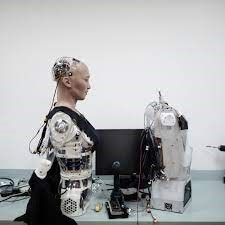 Sofia represents a significant step forward in the development of humanoid robots that can communicate with humans in a more natural and relatable manner. Its appearances have contributed to public discussions about the potential and ethical considerations of advanced AI and robotics technologies. However, it’s essential to differentiate between the robot’s programmed responses and genuine human-like cognition. Disadvantages: Unclear Autonomy Limited Learning Privacy Concerns Resource Intensive Mismatched Expectations Focus on Appearance